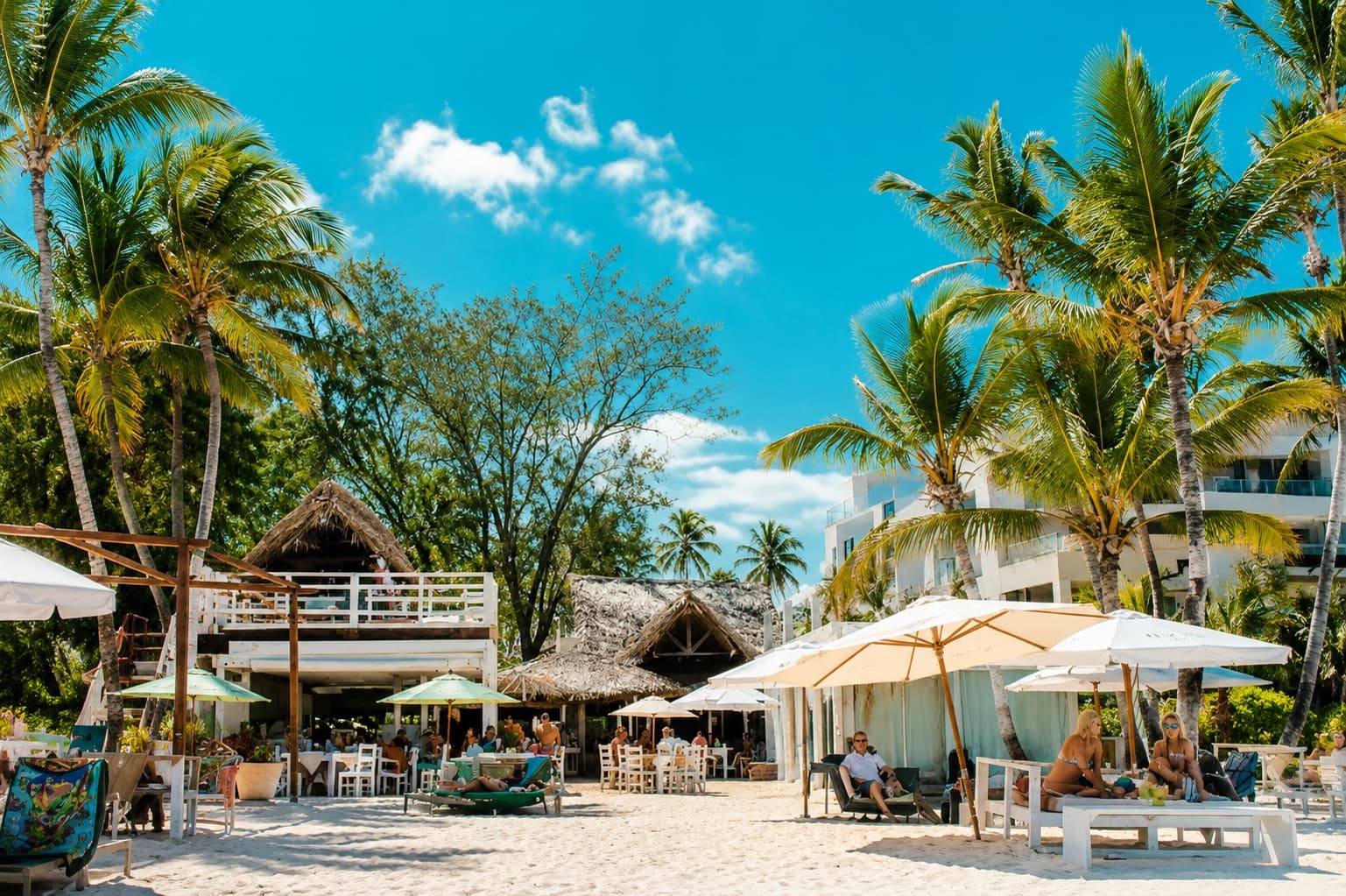
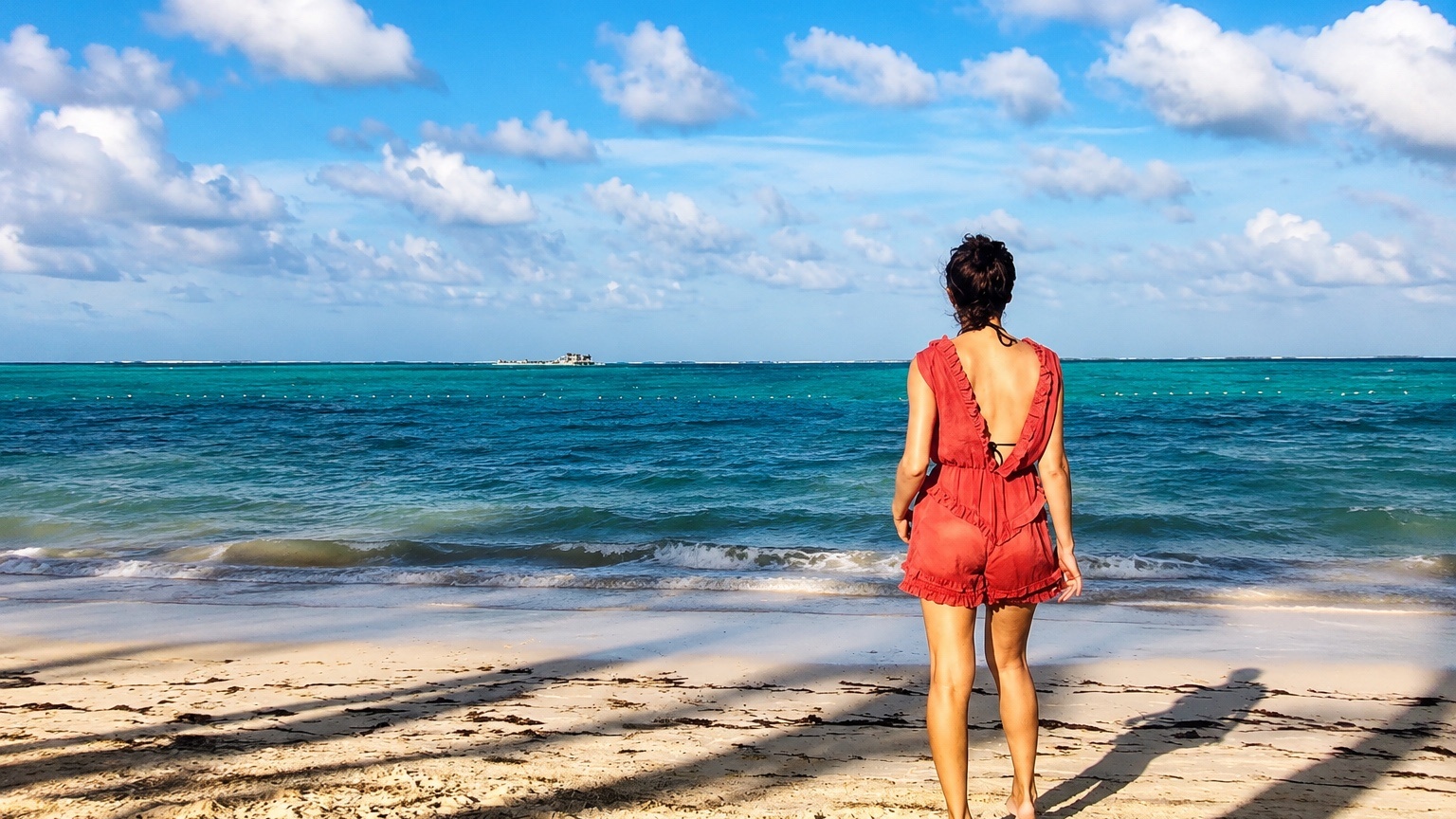
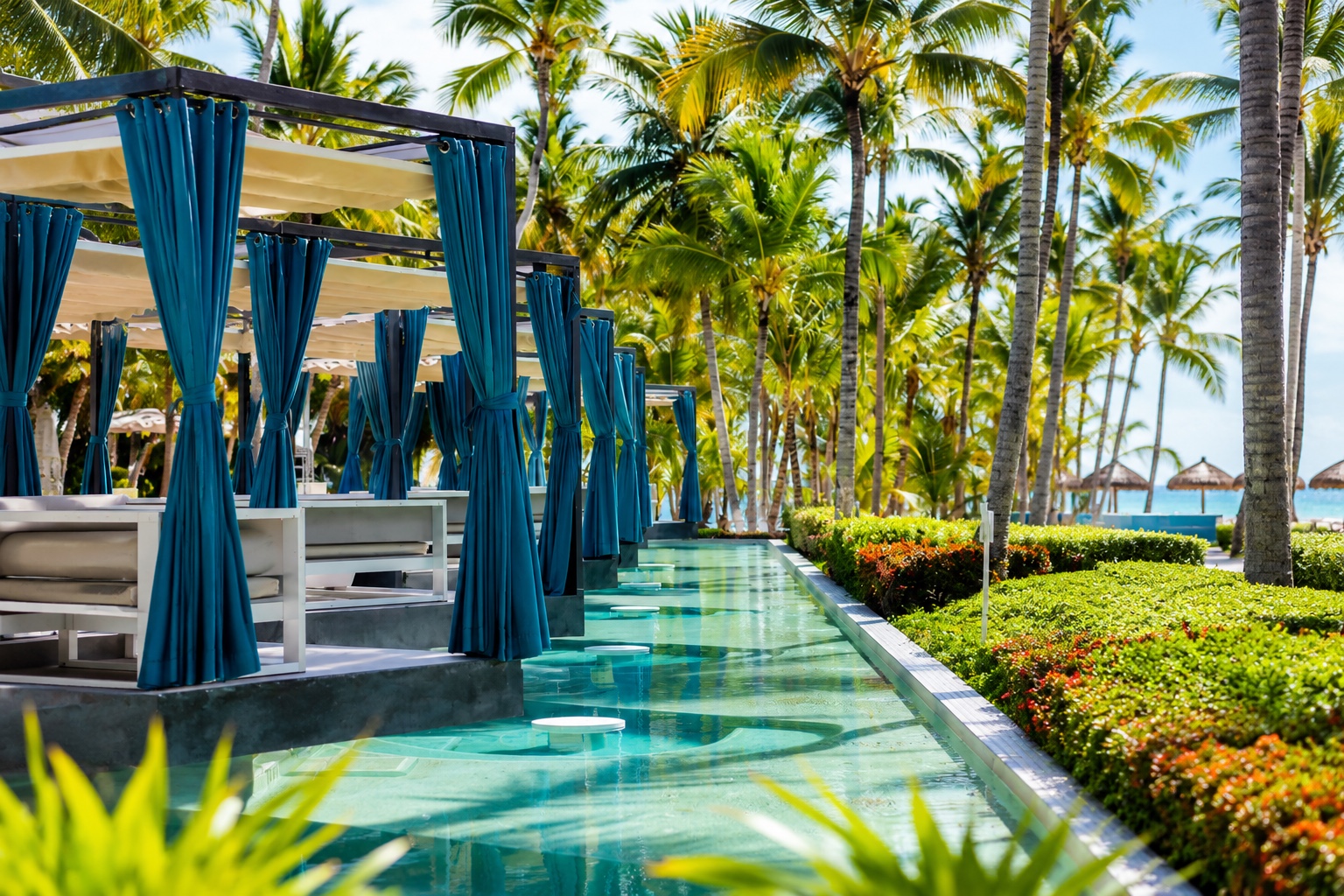
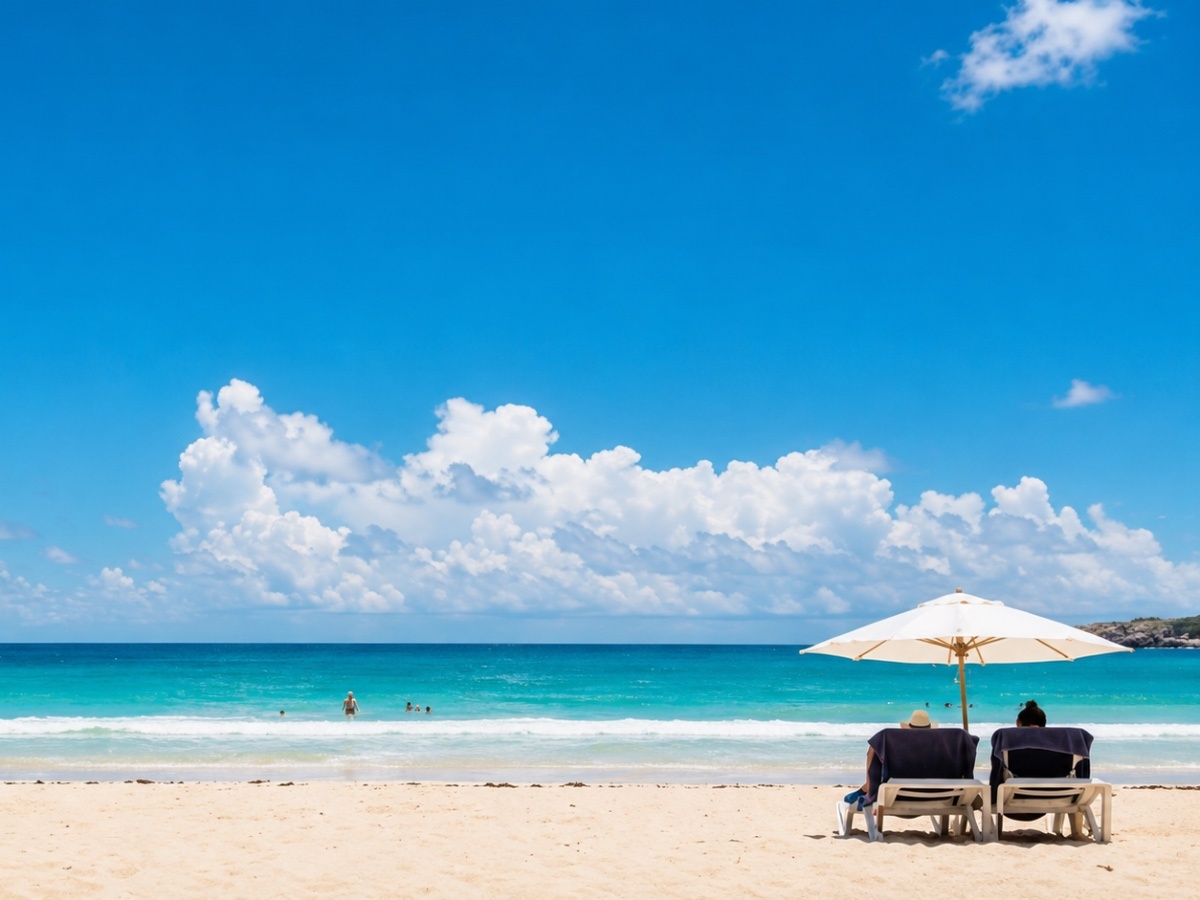
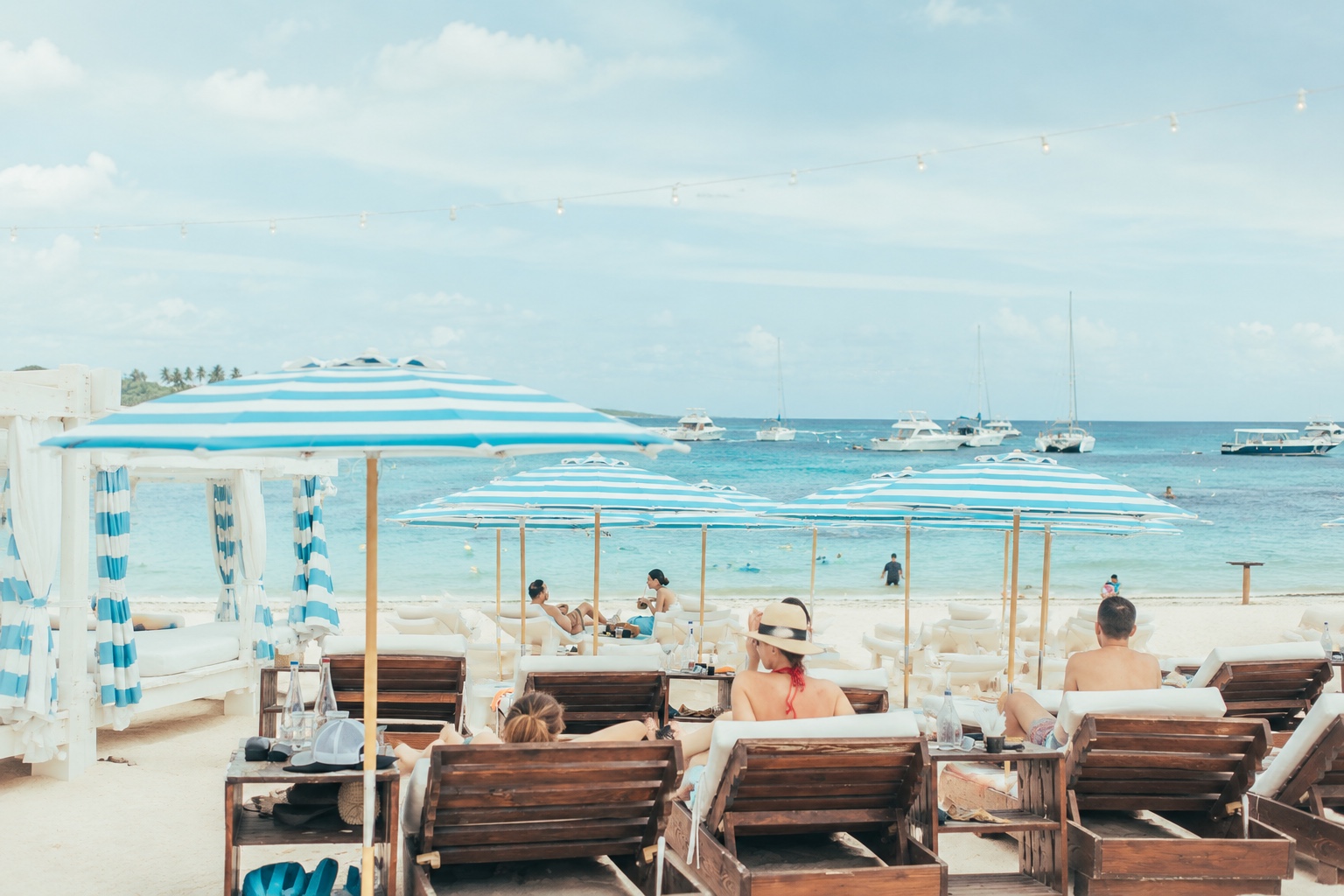
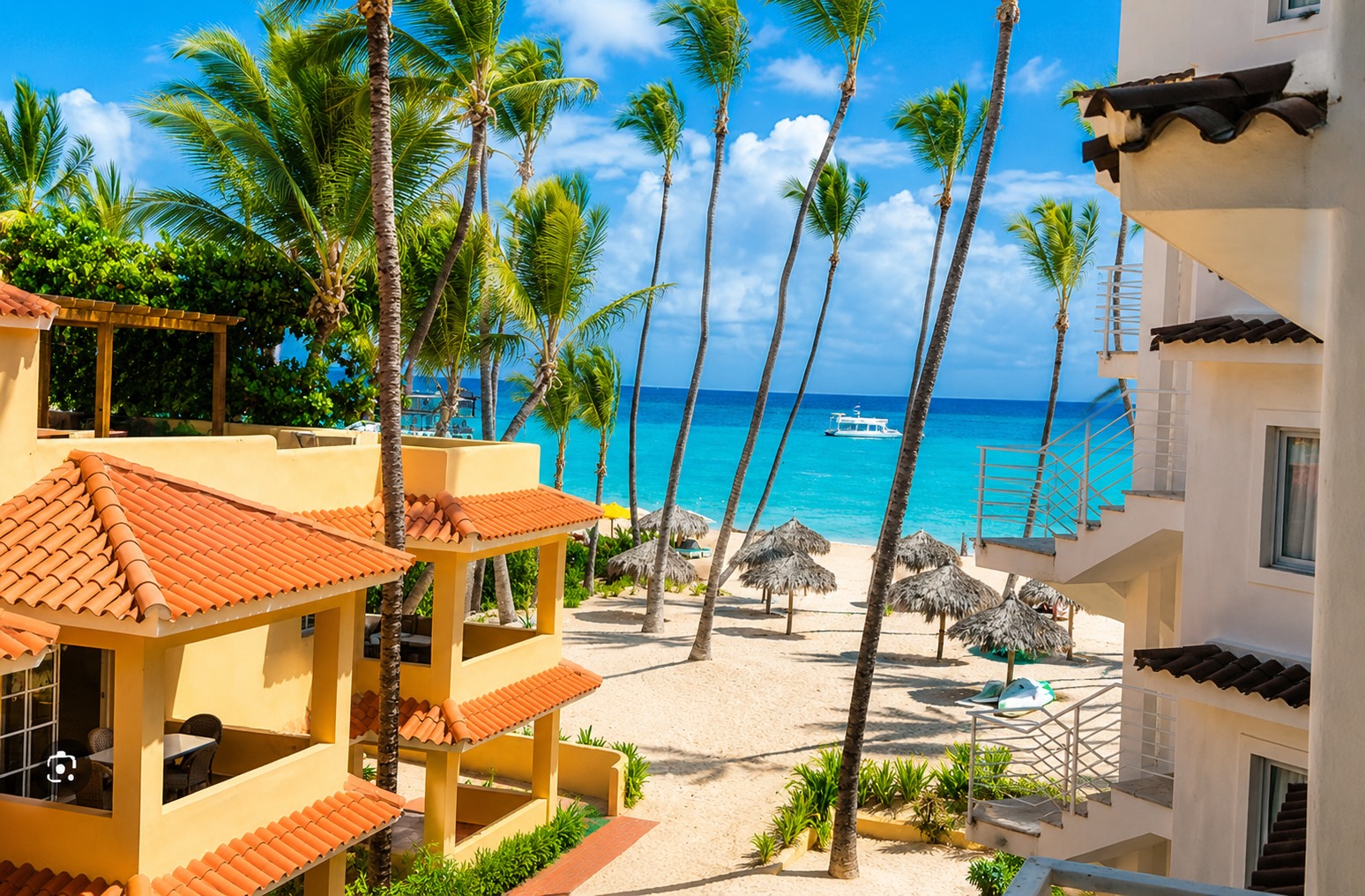
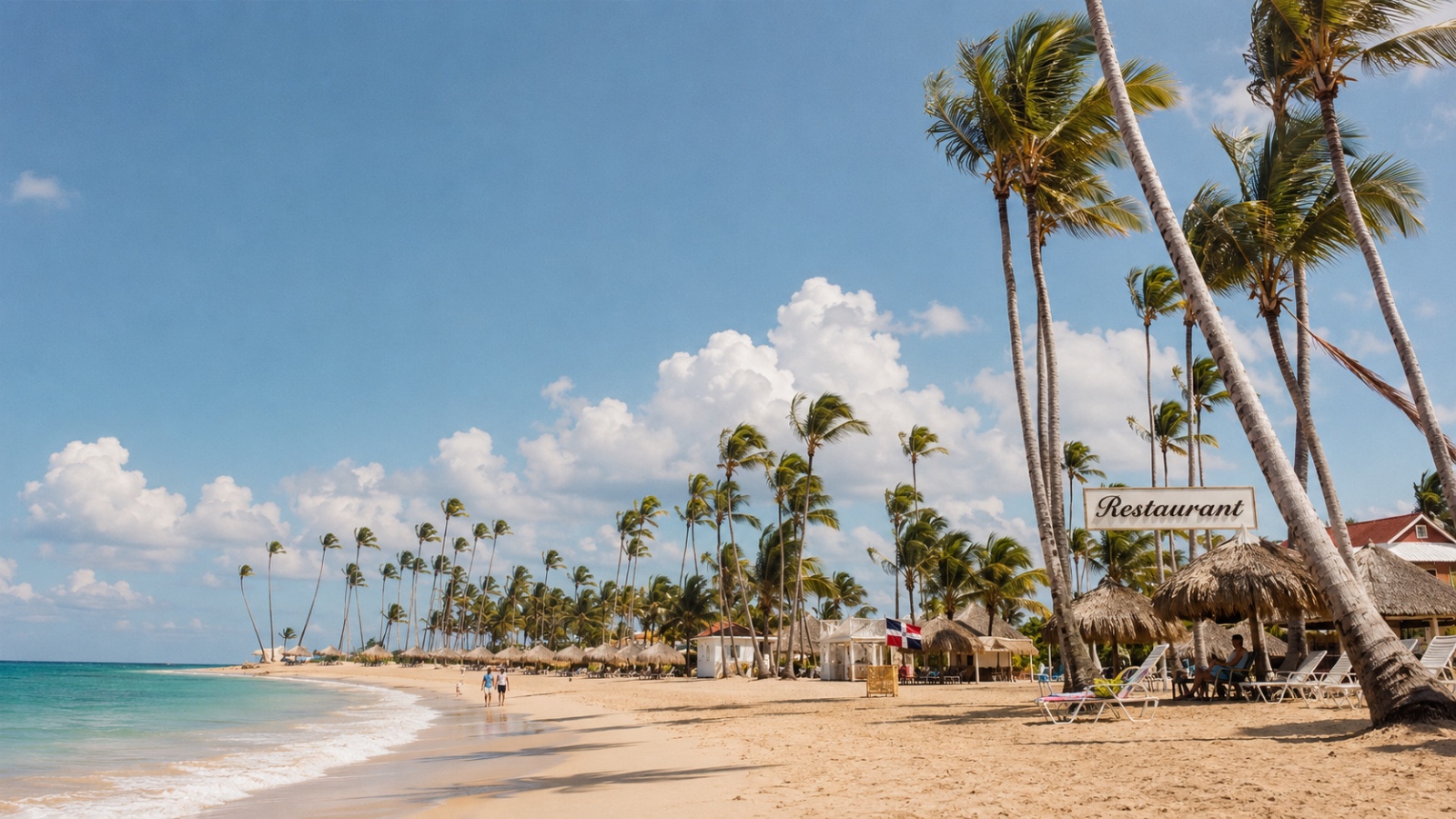
Everyone traveling to Punta Cana imagines themselves standing in front of one of the most spectacular beaches in the world: soft white sand, crystal-clear turquoise waters, tropical palm trees decorating the horizon, and lively catamarans full of visitors dancing to the rhythm of mamajuana beneath the Caribbean sun.
And while that image can absolutely become reality, many travelers quickly discover that not all beaches in Punta Cana feel the same.
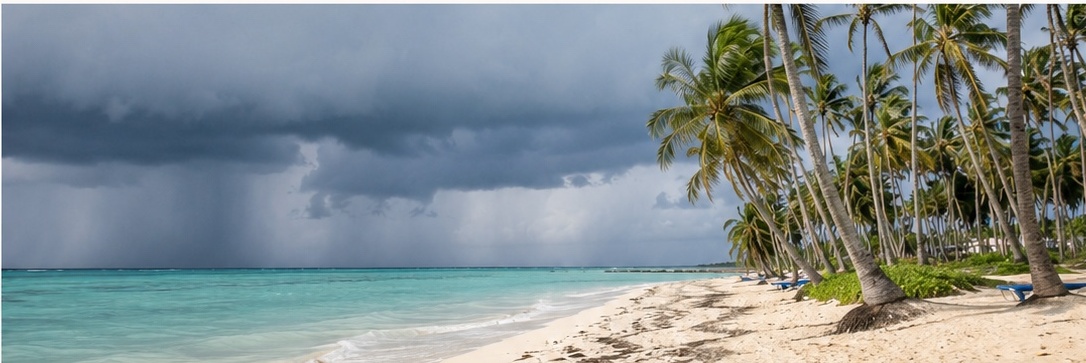
Perhaps they booked their ticket to paradise during May or October, the favorite season of our tropical storms. Or perhaps they chose a beach exposed to the Atlantic Ocean, where the sea tends to feel stronger, the waves rougher, and the sand slightly darker, creating an experience very different from the turquoise postcard images that usually dominate the destination’s most popular photographs.
Suddenly, some visitors begin asking themselves whether Punta Cana really was exactly as they imagined.
And the answer is simple: Yes… But also: No.
Because Punta Cana is not just one beach, nor one single experience.
"The truth is simple: Punta Cana is not just one beach. It is a collection of completely different coastal experiences — each with its own character, its own season, and its own rules."
And precisely because every beach is different, we created this guide: to help you better understand how Punta Cana's beaches truly work and avoid turning the wrong choice into an unexpected surprise during your trip.
PUNTA CANA BEACH ACCESS
Can You Really Access Punta Cana’s Beaches Without Staying at a Resort?
One of the biggest surprises many visitors encounter upon arriving in Punta Cana is discovering that, although all beaches in the Dominican Republic are legally public, accessing them is not always as simple as it may seem.
For years, numerous resorts and private residential communities have developed exclusive access points for their guests, while many public beach entrances were never properly developed or clearly marked.
This has created the perception among many tourists, and even some locals, that certain beaches are “private,” when in reality what is usually privatized is the access, not the beach itself.
As a result, many visitors end up believing they must stay at certain resorts, consume at specific establishments, or pay for excursions simply to enjoy some of the destination’s most famous beaches.
And while legitimate public access points do exist in some areas, finding them is not always obvious for first-time visitors to Punta Cana.
WALKABILITY & PROXIMITY
Can You Really Walk to the Beach in Punta Cana Without Staying at a Resort?
It is absolutely possible to access Punta Cana's beaches without staying at an all-inclusive resort. However, having beach access does not always mean having walkable beach access. Here's what you need to know before you go.
Many times, travelers choose a property because Google Maps makes it appear to be located just steps away from the ocean. However, upon arrival, they discover that the access they saw on the map actually belongs to a private residential community, resort, or restricted complex accessible only to guests and residents.
As a result, walking to the beach through the nearest public access point could end up taking more than an hour, despite the beach seemingly being “right in front” of the selected property.
Very common examples of this situation can be found in areas such as Cocotal, Cap Cana, or White Sands, where having a golf cart, scooter, or vehicle often becomes far more practical for moving around comfortably.
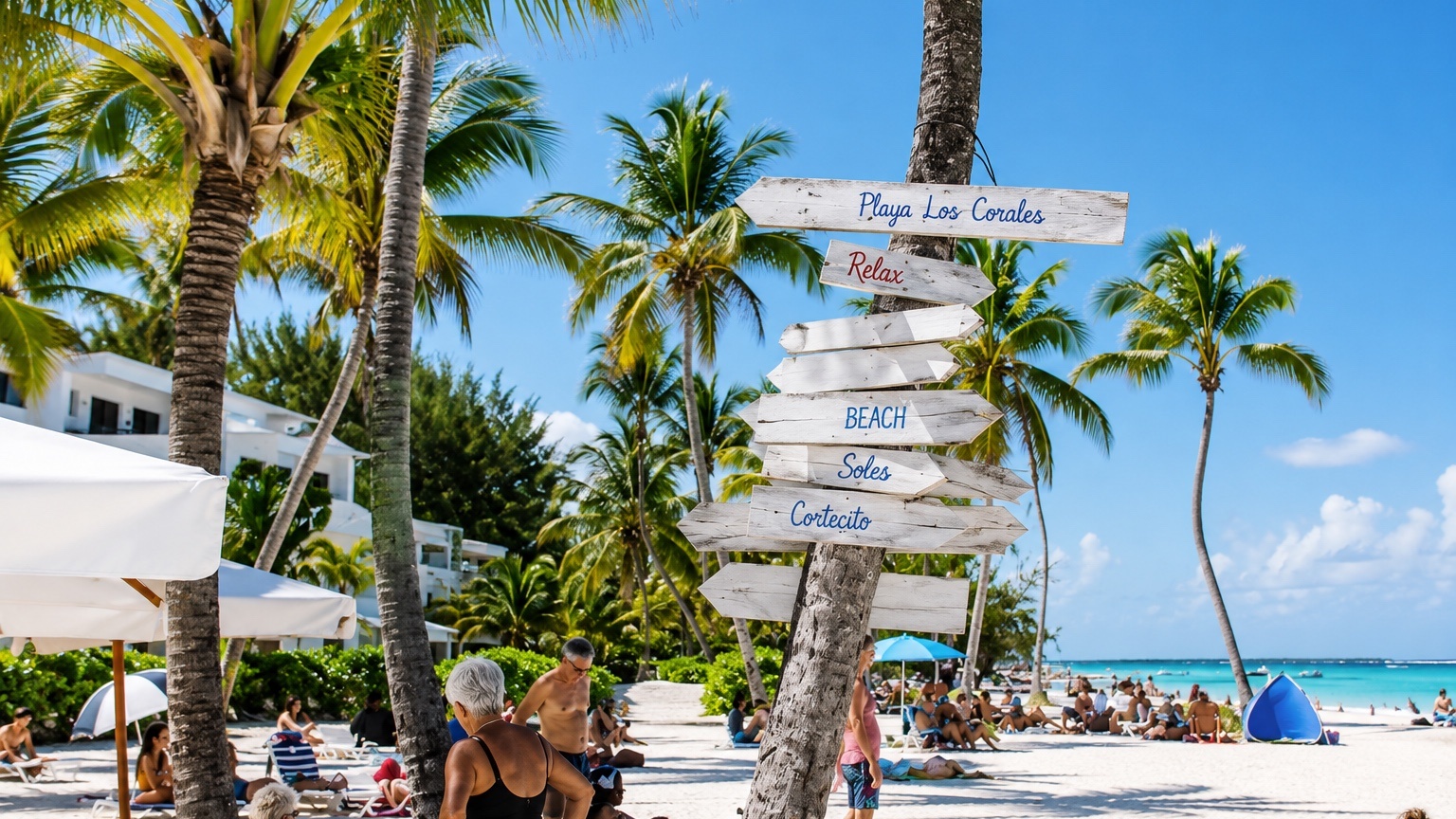
On the other hand, sectors such as Los Corales, El Cortecito, Villas Bávaro, and parts of Cabeza de Toro still allow for a much more walkable beach experience, with relatively easy access to the ocean from many nearby accommodations.
Before choosing your beach experience, it helps to ask yourself a few important questions:
Can I enter without a resort bracelet?
Are restaurants or beach clubs nearby?
Do I need to bring my own chair?
Is transportation required?
These will help you better understand what kind of beach and amenities you will realistically have access to during your stay, since in some cases it may involve a limited residential pass, access through a private restaurant or beach club, or even public entrances requiring parking fees, minimum consumption, or additional payments upon arrival.
"In Punta Cana, the right question is never ‘Which beach is the best?’ It is always: ‘Which beach is right for you?’"
Next, we will explain the different types of beach systems and amenities you may encounter depending on the property and beach area you choose, allowing you to decide whether it truly matches the type of experience you are looking for before booking.
PUNTA CANA BEACH SYSTEMS
Can you really use beach chairs, restaurants & bathrooms without staying at a resort?
While the coastline itself is public, the way travelers experience the beach can be very different depending on the access point, amenities, and services they choose.
01BEACH EXPERIENCE
All-Inclusive Resort Beach Inclusions
Everything arranged for you
ENTRANCE FEE
Resort guests only, or paid Day Pass when available
AMENITIES
Beach chairs, umbrellas, bathrooms, pools, entertainment & food service
FOOD & DRINKS
Fully included for hotel guests and Day Pass visitors
BEST FOR
Travelers looking for the most comfortable and effortless beach experience
BEACH NOTES
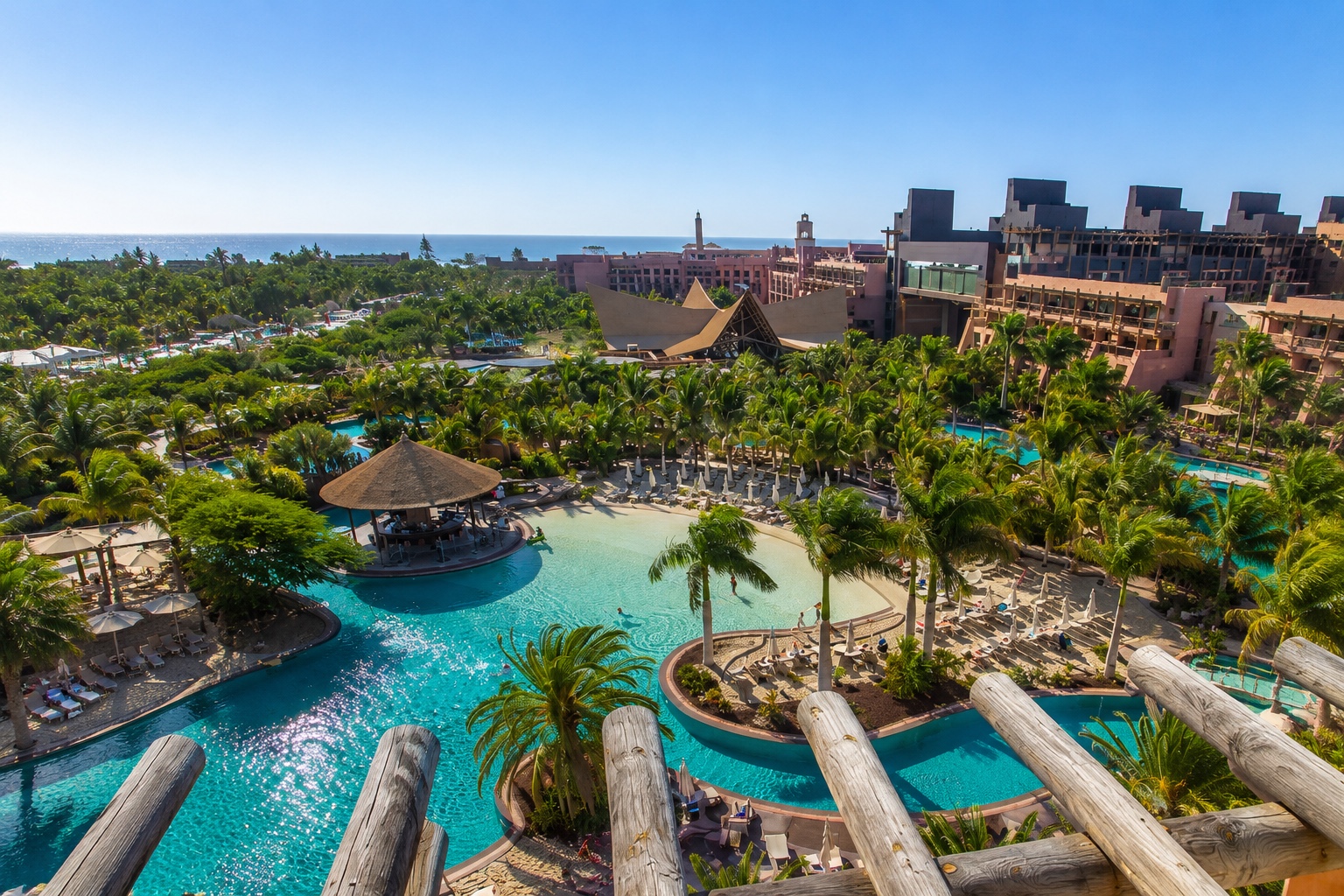
All-inclusive resorts in Punta Cana maintain dedicated beachfront areas with organized services, offering guests a fully arranged and worry-free beach experience from the moment they arrive.
Day passes allow non-guests to access resort beach amenities for a fixed daily fee, including food, drinks, and facilities — making it a practical option for travelers staying outside the resort.
This is the most structured and service-oriented beach experience available in Punta Cana, prioritizing maximum comfort over independence or spontaneous exploration.
02BEACH EXPERIENCE
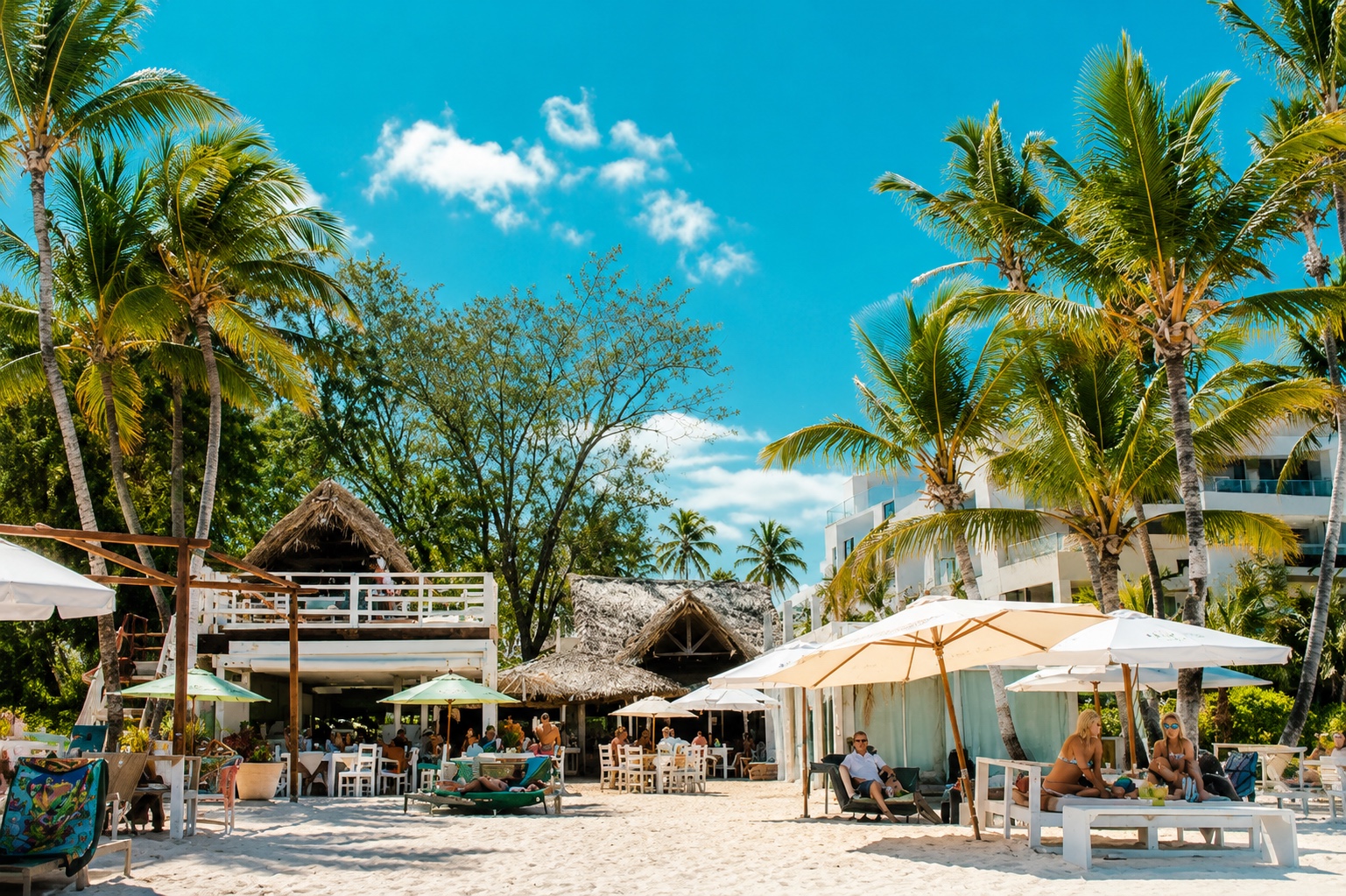
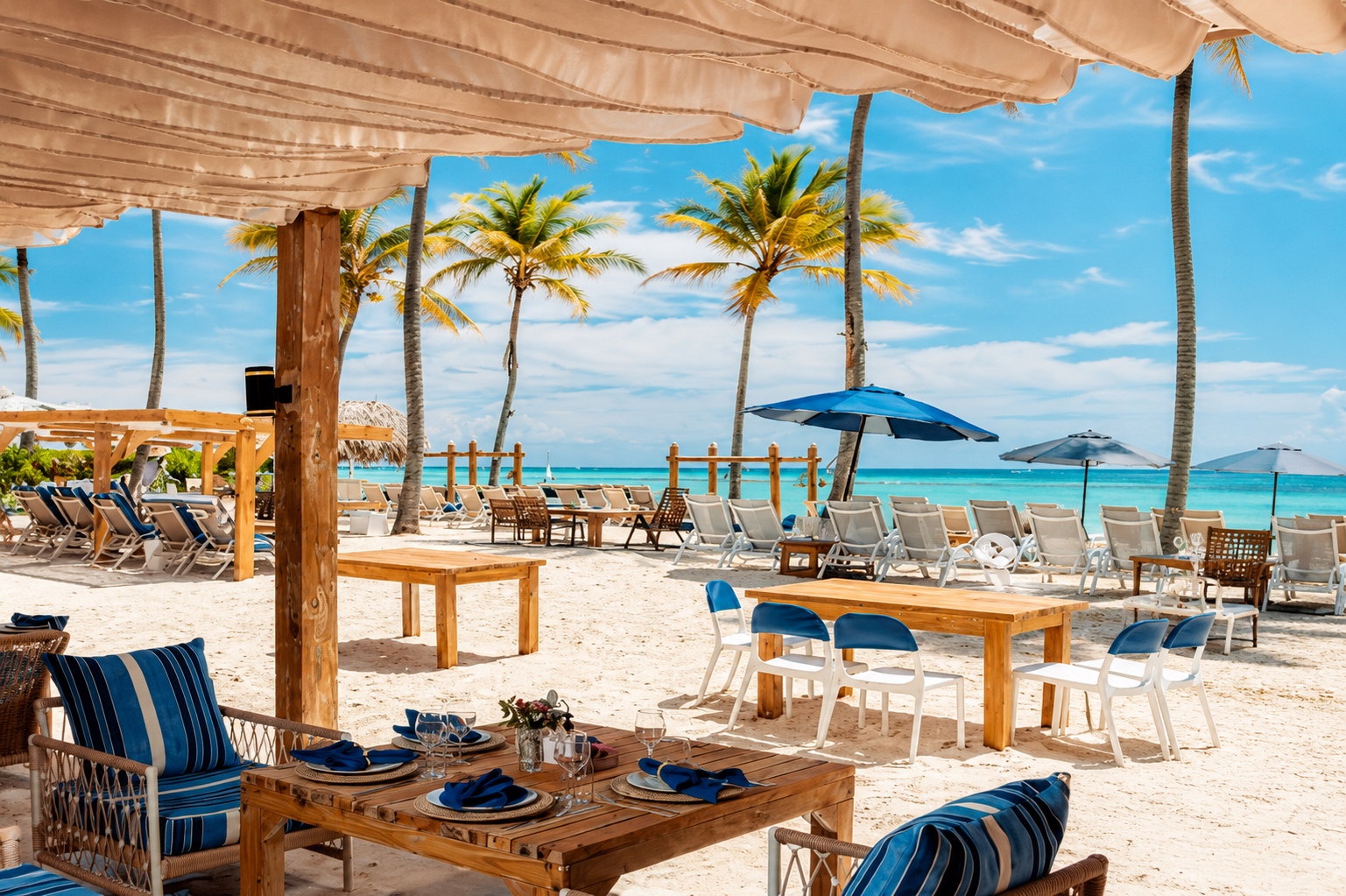
Beachfront Clubs & Restaurant Inclusions
Comfort with flexibility
ENTRANCE FEE
Usually free entry, minimum consumption, reservation, or paid access depending on the establishment
AMENITIES
Beach chairs, umbrellas, bathrooms, beachfront areas, and table service
FOOD & DRINKS
Available for purchase directly from the restaurant or beach club
BEST FOR
Travelers looking for a comfortable beach experience without staying at an all-inclusive resort
BEACH NOTES
Beach clubs and beachfront restaurants, just like any other coastal development in the Dominican Republic, operate under the same regulations regarding the country’s 60-meter public coastal zone.
While the coastline itself remains public, many beachfront establishments provide their own amenities and services to create a more comfortable beach experience for visitors.
Depending on the location, access to these services may require a reservation, minimum consumption, or a specific payment arrangement with the establishment.
For many travelers, this option provides a balance between the independence of visiting a public beach and the convenience of having additional services available throughout the day.
Whether or not it is the right choice will ultimately depend on each traveler’s budget, travel style, and the type of beach experience they are looking for.
03BEACH EXPERIENCE
Public Beach Inclusions
Freedom with preparation
ENTRANCE FEE
Free public access
AMENITIES
Limited public facilities — bringing your own chairs, towels, and shade is recommended
FOOD & DRINKS
Bring your own or purchase from nearby businesses when available
BEST FOR
Independent travelers looking for a flexible and more natural beach experience
BEACH NOTES
Public beaches in Punta Cana include some of the most beautiful and famous coastal areas in the Dominican Republic, offering visitors the opportunity to enjoy the same Caribbean coastline at their own pace.
Unlike resorts, beach clubs, and beachfront restaurants, public beach areas usually offer fewer organized amenities and services designed specifically for visitors.
Travelers looking for additional comfort often choose nearby establishments for convenience, while others prefer preparing their own beach setup with chairs, umbrellas, towels, and refreshments.
If you decide to bring your own items, remember to respect local regulations and the environment by avoiding glass containers, collecting your trash, and respecting hotel, restaurant, and private beach club areas.
BEACH EXPERIENCE GUIDE
Choosing Your Preferred Beach System
Three different ways to enjoy the same beautiful coastline.
ALL-INCLUSIVE RESORT
Everything arranged for you
BEACH CLUB & BEACHFRONT RESTAURANT
Comfort with flexibility
PUBLIC BEACH
Explore freely, prepare your way
EXPERIENCEEverything arranged for you
EXPERIENCEComfort with flexibility
EXPERIENCEExplore freely, prepare your way
ENTRANCE FEEResort guests only or paid Day Pass when available
ENTRANCE FEEUsually free entry, minimum consumption, reservation, or paid access depending on the establishment
ENTRANCE FEEFree public access
AMENITIESBeach chairs, umbrellas, bathrooms, pools, entertainment & food service
AMENITIESBeach chairs, umbrellas, bathrooms, beachfront areas & table service
AMENITIESLimited public facilities. Bringing your own chairs, towels & shade is recommended
FOOD & DRINKSIncluded for hotel guests or Day Pass visitors
FOOD & DRINKSAvailable for purchase directly from the restaurant or beach club
FOOD & DRINKSBring your own or purchase from nearby businesses when available
BEST FORTravelers looking for the most comfortable and effortless beach experience
BEST FORTravelers looking for a comfortable beach experience without staying at an all-inclusive resort
BEST FORIndependent travelers looking for a flexible and more natural beach experience
TAP TO EXPAND
PUNTA CANA BEACH CULTURE
Beach Vibes & Local Beach Culture
Despite all the differences between the various beach systems you may encounter in Punta Cana, these self-contained worlds eventually meet around the corner, coexisting side by side.
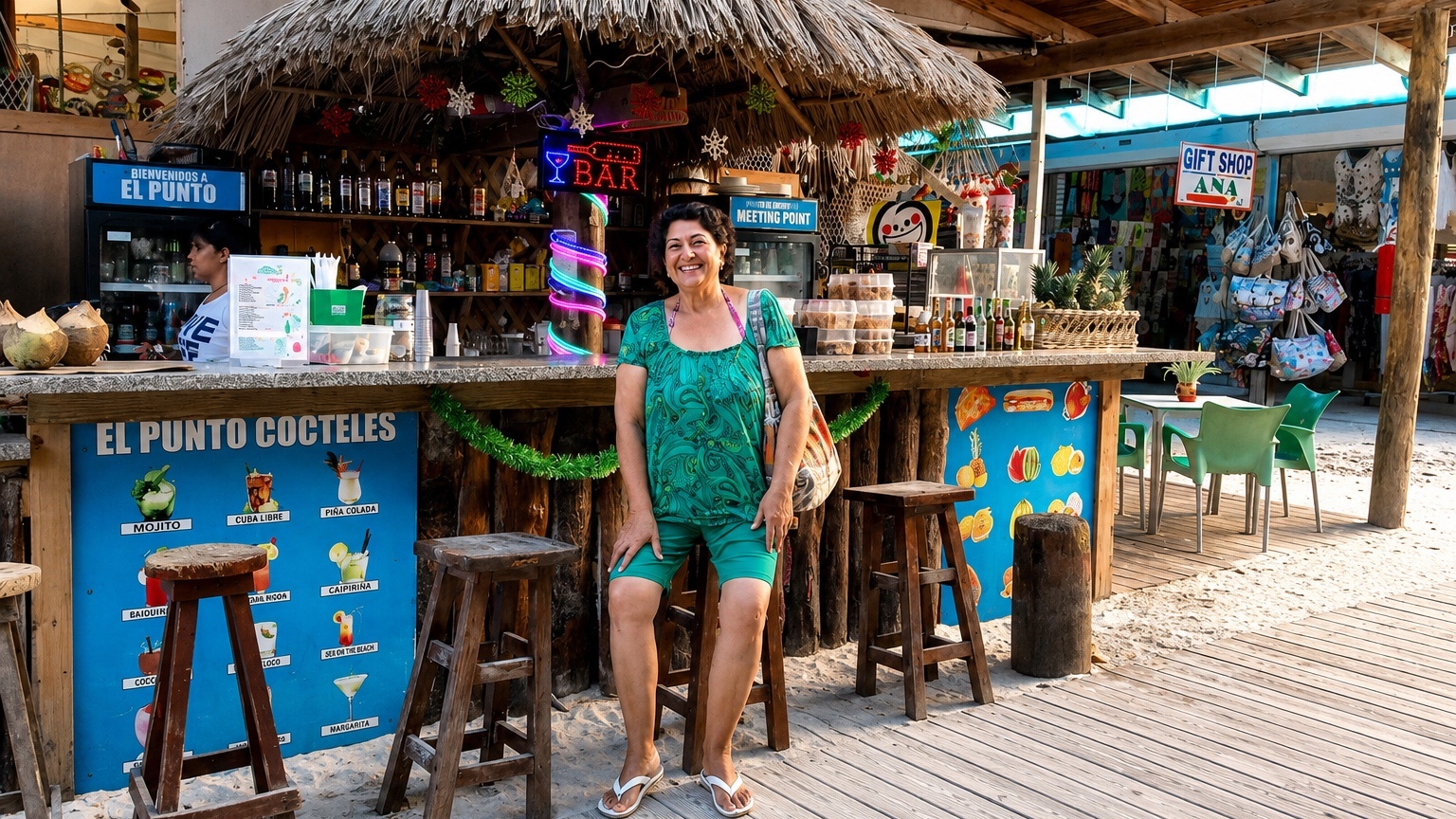
Here, the operations of large all-inclusive resorts coexist daily alongside local fishermen finishing their workdays, vendors selling colorful handcrafted accessories by the ocean, braid stylists working beneath the palm trees, and restaurants cooking some of the island's most traditional and tropical flavors.
And it is precisely this mixture of international tourism, Caribbean lifestyle, and local culture that gives many Punta Cana beaches their own unique personality.
"Seaweed does not define your vacation. Choosing the right beach, at the right time, does."
PUNTA CANA BEACH CONDITIONS
Atlantic Waters vs Caribbean Waters
Many travelers imagine Punta Cana as one endless stretch of crystal-clear turquoise waters, white sand, and tropical palm trees facing the Caribbean Sea. However, simply traveling slightly farther north within the destination reveals beaches with completely different conditions.
DUE TO STRONGER ATLANTIC EXPOSURE
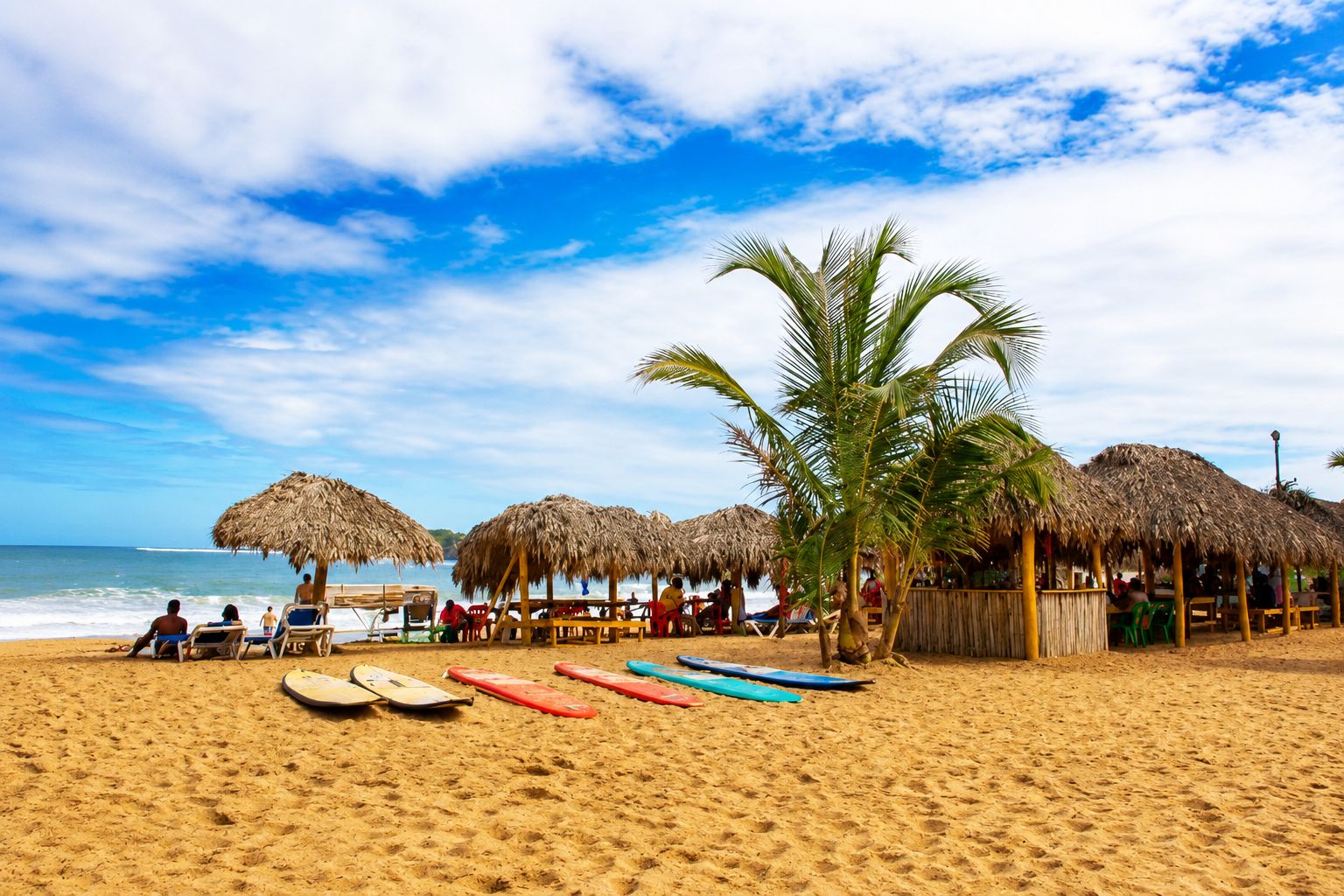
Beaches such as Macao Beach and Uvero Alto Beach tend to feature rougher waves, more intense ocean conditions, deeper navy-blue waters, and slightly darker or golden-toned sand, creating a much wilder and more open-ocean experience.
FACING THE CARIBBEAN SEA
Further toward the Juanillo Beach area and other protected beaches inside Cap Cana, already facing the Caribbean Sea, the water often feels even calmer and clearer, creating a much more relaxed, family-friendly experience closer to the classic Caribbean image many travelers picture.
PROTECTED BY CORAL REEF BARRIERS
Other sectors such as Bávaro Beach, Los Corales, and El Cortecito, although also located along Punta Cana's Atlantic coastline, benefit from important coral reef barriers that help soften wave conditions, allowing for calmer, more turquoise, and swimmer-friendly waters.
WHY BEACHES FEEL SO DIFFERENT
It is precisely these differences in ocean exposure, coral reefs, and weather conditions that explain why Punta Cana beaches can feel so different from one another, despite all belonging to the same destination.
PUNTA CANA BEACH CONDITIONS
Weather & Seasonal Storms
The weather in Punta Cana, much like in most of the Dominican Republic, tends to remain fairly stable throughout the year: a very difficult and exhausting 26°C – 31°C (79°F – 88°F) of pure tropical paradise.
TROPICAL CLIMATE YEAR-ROUND
There is even a famous local saying claiming that no matter how much it rains, the sun always comes back out by the end of the day in Punta Cana. And honestly, that saying is usually not far from reality… except during hurricane season, when between May and October the Caribbean can experience heavy rains, strong winds, and tropical storms.
HURRICANE SEASON: MAY TO OCTOBER
While hurricanes are not common, this is the period with higher chances of heavy rains and tropical storms. Most days are still sunny with brief showers, but it's good to plan with a little flexibility.
PUNTA CANA BEACH CONDITIONS
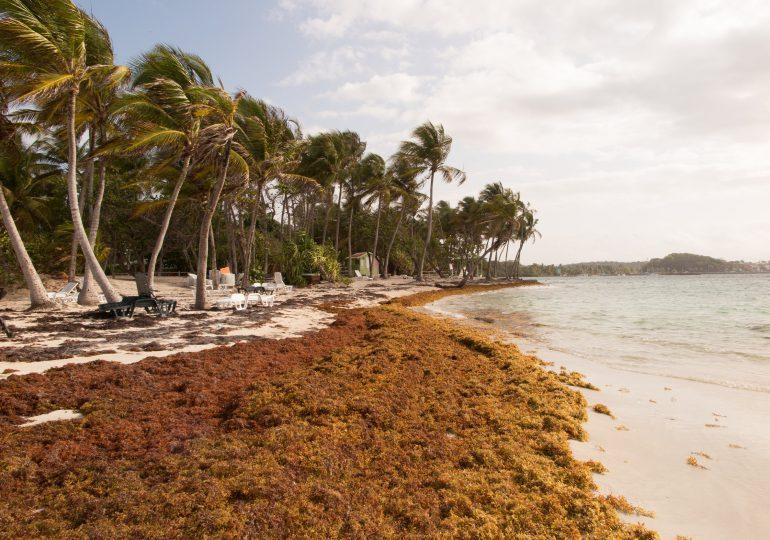
Seaweed & Sargassum Season
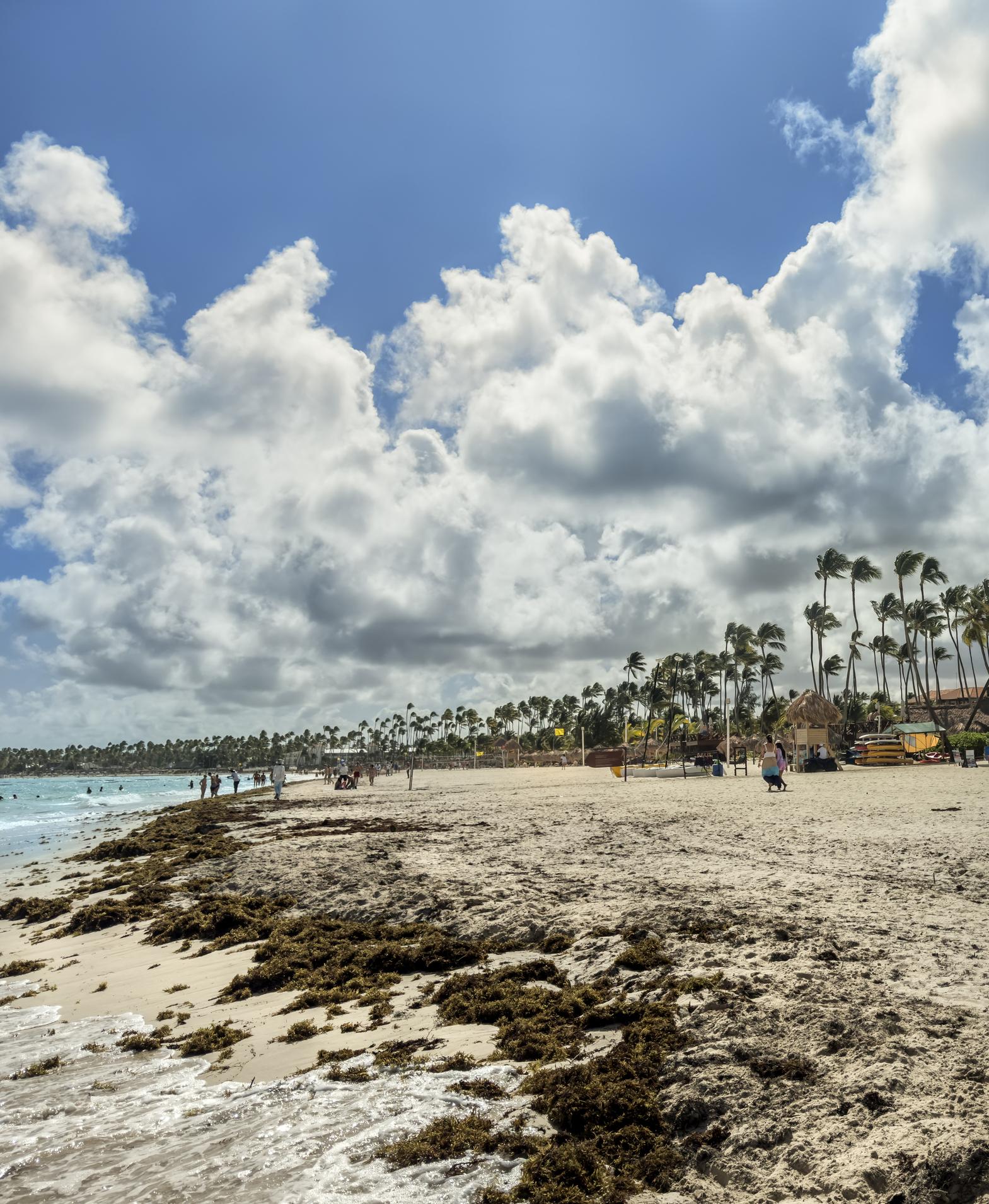
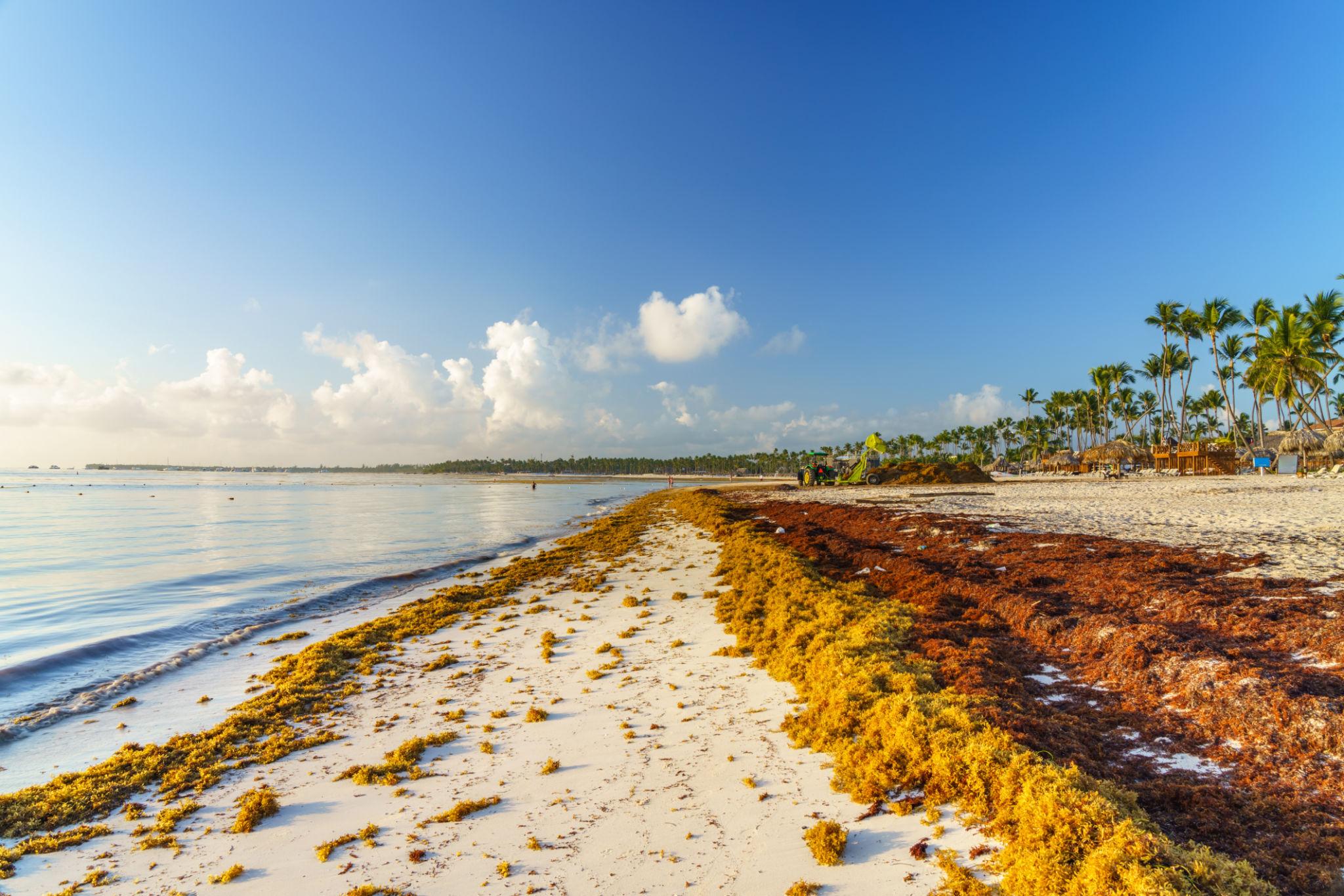
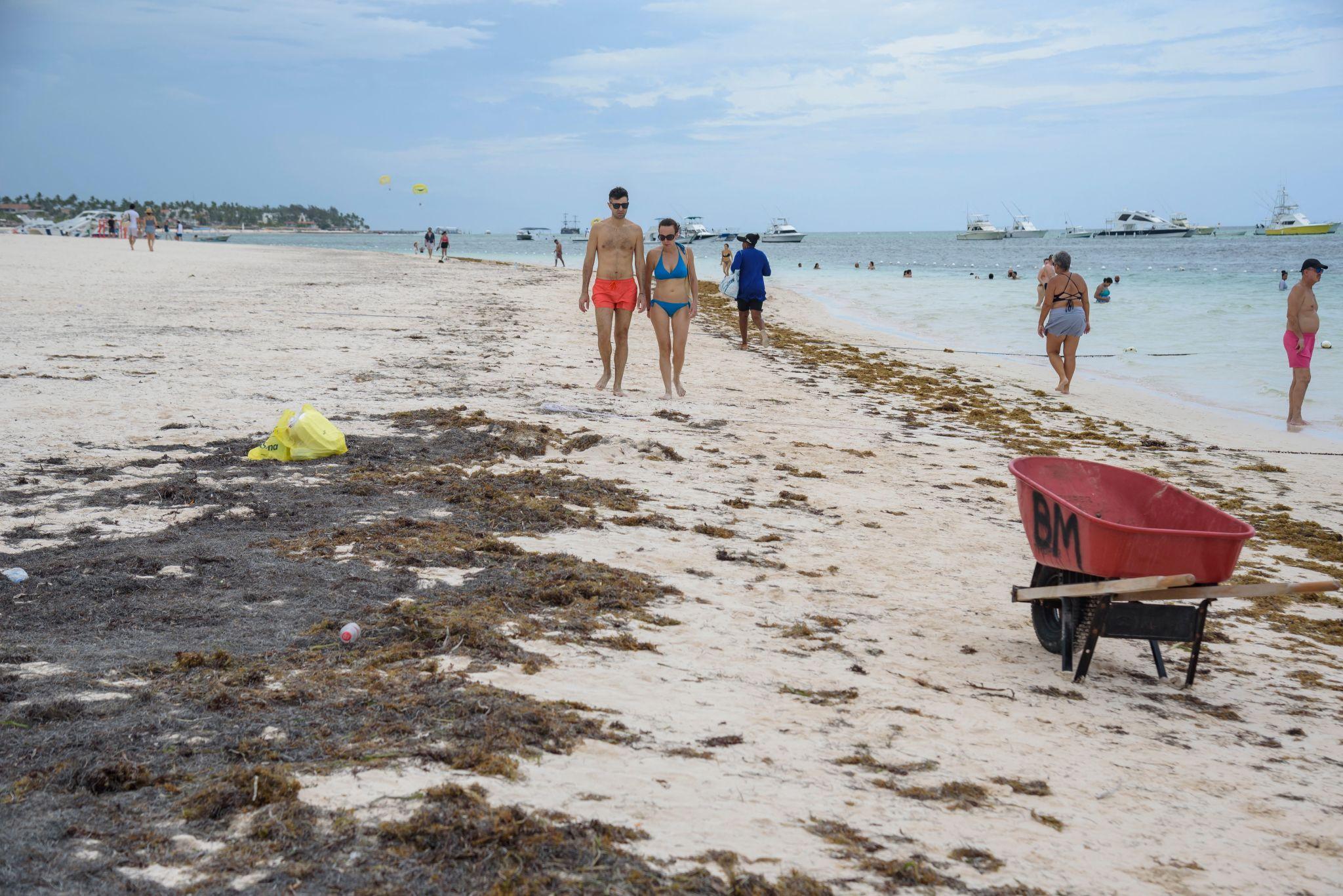
As few things in life are truly perfect, around 2010 the so-called Great Atlantic Sargassum Belt began bringing large quantities of seaweed into different parts of the Caribbean, affecting, to a greater or lesser degree each year, the crystal-clear turquoise image many travelers imagine when thinking about Punta Cana beaches.
WHEN DOES SEAWEED ARRIVE?
Although sargassum can appear at any time of year, the heaviest accumulation seasons usually occur between April and October, especially during the Caribbean summer. However, the amount of seaweed can vary enormously depending on weather conditions, ocean currents, winds, tropical storms, and the specific beach being visited.
WHAT CAN BE DONE ABOUT THE SEAWEED?
To combat this natural phenomenon, many hotel chains and tourism establishments invest significant resources each year into constant beach cleanups, attempting to maintain their shorelines in the best possible condition for visitors.
GOOD CONDITIONS ARE STILL POSSIBLE
Even during sargassum season, many Punta Cana beaches still offer excellent ocean conditions thanks to ongoing cleanup efforts, ocean currents, and the natural differences between coastal areas.
WHERE DOES SARGASSUM ACCUMULATE THE MOST?
Calmer beaches protected by coral reefs may retain more sargassum near the shoreline for longer periods, usually requiring greater human intervention to maintain comfortable swimming conditions. Meanwhile, beaches with stronger waves and direct Atlantic exposure, such as Macao Beach and Uvero Alto Beach, will often manage to visually disperse part of the seaweed thanks to the constant movement of the waves.
PUNTA CANA BEACH GUIDE
A Different Beach For Every Traveler
Now that you better understand how Punta Cana’s beaches truly work, it is time for the most important part: discovering which type of beach best matches the experience you want during your trip.
BEACH GUIDE
Juanillo Beach
EXCLUSIVE LUXURY & CALM ESCAPE
Waves: Extremely calm and protected.
Juanillo Beach is one of the most exclusive and peaceful beaches in Punta Cana. With calm turquoise waters, soft white sand, and a relaxed atmosphere, it's perfect for travelers seeking comfort, privacy, and beautiful scenery. The area is known for its luxury resorts and beach clubs that elevate the overall beach experience.
BEACH STYLE
Luxury / Relaxed / Scenic
★★★★★
PUBLIC ACCESS
Limited / Controlled Access
★★★★★
GETTING THERE
Car Recommended
★★★★★
BEACH ECOSYSTEM
Resorts + Beach Clubs
★★★★★
AMENITIES
From Private Establishments
★★★★★
RESTAURANTS & BARS
Limited but Premium
★★★★★
BEST FOR
Couples
Beach clubs
Luxury travelers
Photography
Quiet beach days
Juanillo Beach offers a serene and upscale environment, ideal for relaxation and enjoying the natural beauty of Punta Cana's coastline. While public access is limited, visitors can enjoy the beach through beach clubs and restaurants that provide excellent service and amenities. It's a top choice for travelers seeking a calm and exclusive beach day.
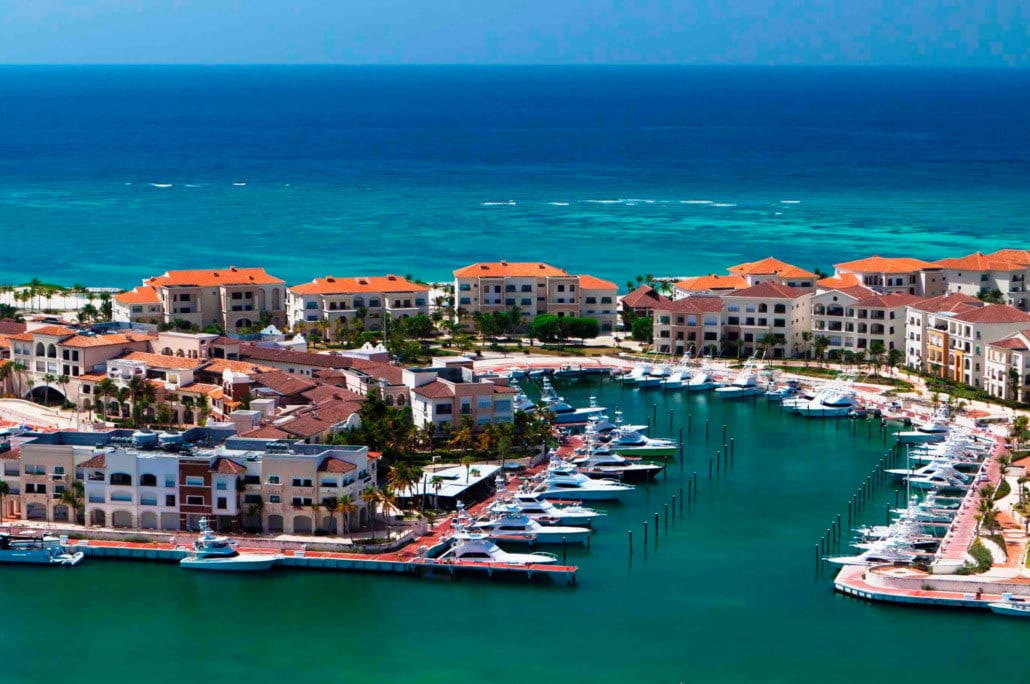
Located inside the Marina Cap Cana area, API Beach combines incredibly calm crystal-clear waters with a much more modern, elegant, and socially driven beachfront atmosphere. Thanks to the marina's natural protection and its Caribbean-facing orientation, the ocean usually remains smooth and peaceful throughout most of the year.
BEACH STYLE
Exclusive / Modern / Social
★★★★★
PUBLIC ACCESS
Controlled / Semi-Private
★★★★★
GETTING THERE
Car Recommended
★★★★★
BEACH ECOSYSTEM
Marina + Beach Clubs + Restaurants
★★★★★
AMENITIES
From Private Establishments
★★★★★
RESTAURANTS & BARS
Many Options
★★★★★
BEST FOR
Couples
Luxury travelers
Social beach days
Yacht & marina lovers
Dining & nightlife
Photography
API Beach offers a refined and exclusive beach experience with calm waters, upscale beach clubs, and a vibrant marina atmosphere. While access is controlled, visitors can enjoy the beach through clubs, restaurants, and marina venues that deliver premium service and modern amenities. It's an ideal choice for travelers seeking luxury, comfort, and a more social beachfront experience in Punta Cana.
With generally calm waters, light-colored sand, and a far quieter atmosphere than many of Punta Cana's more touristic areas, Cabeza de Toro offers a much more peaceful and hidden beach experience. The area combines resorts, beach clubs, and smaller public access points surrounded by tropical vegetation.
BEACH STYLE
Peaceful / Tropical / Relaxed
★★★★★
PUBLIC ACCESS
Semi-Controlled
★★★★★
GETTING THERE
Car Recommended
★★★★★
BEACH ECOSYSTEM
Resorts + Beach Clubs + Smaller Public Access
★★★★★
AMENITIES
From Private Establishments
★★★★★
RESTAURANTS & BARS
Many Options
★★★★★
BEST FOR
Couples
Luxury travelers
Quiet beach days
Beach clubs
Photographers
Nature lovers
Cabeza de Toro Beach is the perfect choice for travelers seeking a more tranquil and authentic Punta Cana experience. With calm waters, lush surroundings, and a mix of beach clubs and quiet spots, it's ideal for relaxation, snorkeling, and disconnecting from the crowds while still enjoying excellent service and tropical beauty.
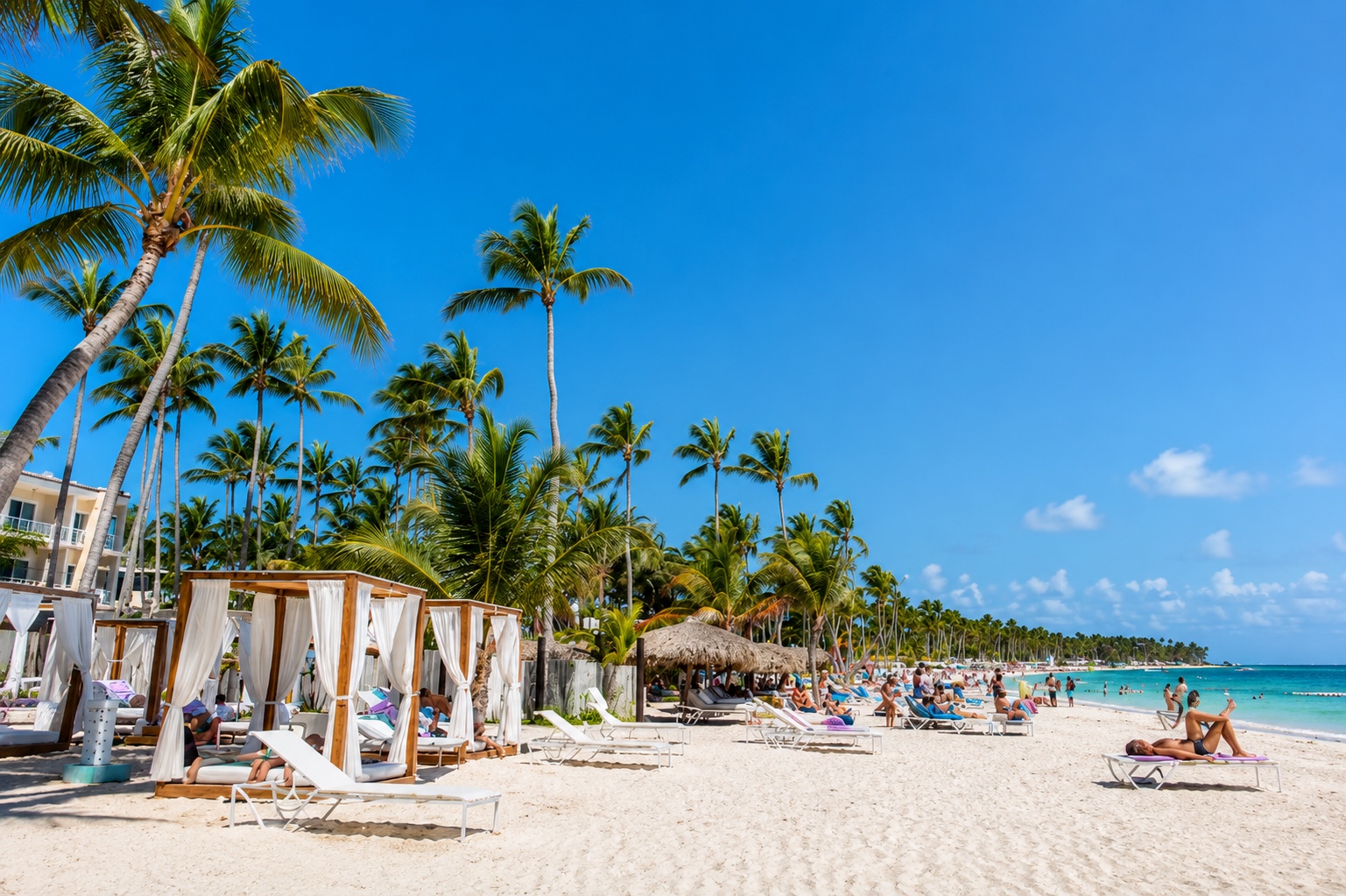
Considered by many to be the true heart of Punta Cana tourism, Bávaro Beach has repeatedly been recognized internationally among the Caribbean's most famous and spectacular beaches thanks to its endless turquoise waters, soft white sand, and vibrant beachfront atmosphere. Here, Punta Cana's classic tropical postcard truly comes alive.
BEACH STYLE
Social / Tropical / Vibrant
★★★★★
PUBLIC ACCESS
Mixed / Public & Tourist-Friendly
★★★★★
GETTING THERE
Car Recommended
★★★★★
BEACH ECOSYSTEM
Resorts + Beach Clubs + Restaurants + Local Vibes
★★★★★
AMENITIES
From Beach Clubs to Full Services
★★★★★
RESTAURANTS & BARS
Many Options for Every Taste
★★★★★
BEST FOR
Couples
Luxury travelers
Social beach days
Beach clubs
Families & groups
Water activities
Bávaro Beach is where Punta Cana's energy shines the brightest! With lively beach clubs, exciting water activities, delicious restaurants, and an unbeatable tropical setting, it's the ideal spot for travelers who want to connect, celebrate, and make the most of every sunny moment by the sea. Whether you're relaxing under a palm tree or joining the vibrant beach scene, Bávaro Beach promises unforgettable memories.
With a mix of small hotels, vacation apartments, local restaurants, beachfront bars, and relatively easy public beach access, El Cortecito and Los Corales offer one of the most walkable and practical beach experiences in Punta Cana. Thanks to the natural protection provided by the area's coral reefs, the ocean usually remains relatively calm for swimming.
BEACH STYLE
Local / Relaxed / Tourist-Friendly
★★★★★
PUBLIC ACCESS
Public and Walkable
★★★★★
GETTING THERE
Car Recommended
★★★★★
BEACH ECOSYSTEM
Small Hotels + Local Restaurants + Beach Bars
★★★★★
AMENITIES
From Local Businesses to Full Services
★★★★★
RESTAURANTS & BARS
Many Options with Local Flavor
★★★★★
BEST FOR
Couples
Families & groups
Social beach days
Walkable lifestyle
Beach bars
Local food lovers
El Cortecito and Los Corales are perfect for travelers who love having everything within walking distance. Enjoy the beach in the morning, a fresh lunch steps from the sand, and vibrant nightlife without ever needing to drive. With calm waters, a welcoming local vibe, and endless options for dining, shopping, and relaxing, it's one of Punta Cana's most practical and enjoyable beach areas.
Known for its strong waves, wide-open ocean views, and far less developed atmosphere than many of Punta Cana's resort areas, Macao Beach offers a much more natural and adventurous beach experience. Thanks to its direct exposure to the Atlantic Ocean, waves tend to remain intense throughout much of the year.
BEACH STYLE
Natural / Adventurous / Wild
★★★★★
PUBLIC ACCESS
Public
★★★★★
GETTING THERE
Car Recommended
★★★★★
BEACH ECOSYSTEM
Natural Environment + Local Vendors
★★★★★
AMENITIES
Limited Facilities
★★★★★
RESTAURANTS & BARS
Limited Options
★★★★★
BEST FOR
Surfers
Adventure travelers
Nature lovers
Off-the-beaten-path seekers
Photography
Local experiences
Macao Beach is ideal for travelers seeking raw natural beauty, powerful waves, and a more authentic connection with Punta Cana's coastline. It's the top spot for surfing and adventurous beach days, offering breathtaking ocean views, dramatic scenery, and a peaceful escape from the crowds.
Located in one of Punta Cana's quietest and most distant areas, Uvero Alto Beach is known for its long stretches of sand, relaxed atmosphere, and a much less crowded experience than the destination's busier tourist beaches.
BEACH STYLE
Quiet / Natural / Relaxed
★★★★★
PUBLIC ACCESS
Semi-Controlled
★★★★★
GETTING THERE
Car Recommended
★★★★★
BEACH ECOSYSTEM
Resorts + Nature Surroundings
★★★★★
AMENITIES
From Private Establishments
★★★★★
RESTAURANTS & BARS
Limited Options
★★★★★
BEST FOR
Couples
Luxury travelers
Peace & quiet seekers
Nature lovers
Long beach walks
Relaxing escapes
Uvero Alto Beach is perfect for travelers seeking space, tranquility, and a deeper connection with nature. Its peaceful environment, beautiful scenery, and fewer crowds make it an ideal choice for a truly relaxing Punta Cana escape.
After exploring Punta Cana’s coastline, one thing becomes clear: there is no single “best” beach.
Each area offers a different version of paradise.
Some travelers prefer calm turquoise waters and a quiet luxury atmosphere. Others look for local culture, beachfront restaurants, lively surroundings, or a more natural escape away from the crowds.
The perfect beach is not simply the most famous one. It is the one that matches the way you want to experience Punta Cana.
So, now that you understand Punta Cana’s beach language and you are slowly beginning to think like a true local, there is only one question left:
Which Punta Cana Beach Fits Your Style?
Punta Cana Beaches Comparison
Compare all key factors to find the perfect beach experience for your travel style.
BEACH
BEACH STYLE
PUBLIC ACCESS
GETTING THERE
BEACH ECOSYSTEM
AMENITIES
RESTAURANTS & BARS
Juanillo Beach
Luxury / Relaxed / Scenic
★★★★★
Limited / Controlled Access
★★★★★
Car Recommended
★★★★★
Resorts + Beach Clubs
★★★★★
Beach Club Services / Premium
★★★★★
Many Options / Premium
★★★★★
Marina Cap Cana / API Beach
Exclusive / Modern / Social
★★★★★
Controlled / Semi-Private
★★★★★
Car Recommended
★★★★★
Marina + Beach Clubs + Restaurants
★★★★★
Beach Club Services / Premium
★★★★★
Many Options / Premium
★★★★★
Cabeza de Toro Beach
Peaceful / Tropical / Relaxed
★★★★★
Semi-Controlled
★★★★★
Car Recommended
★★★★★
Resorts + Beach Clubs + Local Spots
★★★★★
From Private Establishments
★★★★★
Many Options
★★★★★
Bávaro Beach
Social / Tropical / Vibrant
★★★★★
Public / Tourist-Friendly
★★★★★
Car Recommended
★★★★★
Resorts + Beach Clubs + Restaurants + Local Vibes
★★★★★
From Beach Clubs to Full Services
★★★★★
Many Options for Every Taste
★★★★★
El Cortecito & Los Corales
Local / Relaxed / Tourist-Friendly
★★★★★
Public and Walkable
★★★★★
Car Recommended
★★★★★
Small Hotels + Local Restaurants + Beach Bars
★★★★★
From Local Businesses to Full Services
★★★★★
Many Options with Local Flavor
★★★★★
Macao Beach
Natural / Adventurous / Wild
★★★★★
Public
★★★★★
Car Recommended
★★★★★
Natural Environment + Local Vendors
★★★★★
Limited Public Facilities
★★★★★
Limited Options
★★★★★
Uvero Alto Beach
Quiet / Natural / Relaxed
★★★★★
Semi-Controlled
★★★★★
Car Recommended
★★★★★
Resorts + Nature Surroundings
★★★★★
From Private Establishments
★★★★★
Limited Options
★★★★★
BEST FOR YOUR STYLE
LUXURY & CALM
Juanillo Beach
MOST EXCLUSIVE
Marina Cap Cana & Api
A HIDDEN GEM
Cabeza de Toro
A CLASSIC
Bávaro Beach
BEACH TOWN
Cortecito & Corales
SURF LOVERS
Macao Beach
TAP TO EXPAND
WRITTEN BY
Airgalarza
Living around Punta Cana comes with its little discoveries — places you come across, things you learn, stories you hear and details you pick up along the way. Every now and then, I write some of them down and share them here with you.
The Truth About Punta Cana Beaches: Expectations vs Reality | Sweet Home Punta Cana